
"livestock feed"
200 article(s) found

Planting patterns in the field of caffeine producing areas in Costa Rica
Following Cafe (official Wechat account vdailycom) found that Costa Rica is located in the volcanic belt of the low latitudes of Central America, with an elevation of about 800 to 2000 meters above sea level in the central plateau and mountains. The climate here has two obvious dry and wet seasons. The harvest period is from November to March of the following year, which coincides with the dry season, and coffee with high quality and consistent maturity can be harvested.

Flavor and taste of Costa Rican coffee producing area introduction to Costa Rican coffee flavor of Fenghuang Manor
At present, the Tarazhu Cooperative has 26 member estates. Among them, Raminita Manor, which is one of the most famous coffee farms in Tarazu. Raminita produces about 1 million pounds of coffee beans a year. After the coffee beans produced by the whole estate have been carefully selected to remove defects, only 15% of the coffee beans can bear the mark of Laminita Manor, while the rest flow into the coffee market.

The flavor of Tarazhu coffee, a very famous Costa Rican boutique coffee in the boutique coffee world
Among the many excellent producing areas in Costa Rica, there is a famous producing area Tarrazu, also known as Tarasu. Tarazhu is very famous in the world of boutique coffee and is one of the major coffee producing areas in the world. In the 2014 COE competition, of the 23 beans on the list, 17 came from Tarasu. Tarasu is located in the fertile volcanic region of Central America.

Introduction to the taste of Kaddura Coffee Manor in Costa Rica by the treatment of the characteristics of varieties
Costa Rican coffee Costa Rica has many excellent producing areas, and Costa Rican high-quality producing areas have a common understanding of quality, that is, the use of mature coffee fruit to ensure the production of high-quality coffee. Generally speaking, a large amount of water is used in the post-processing of picked coffee fruit, but the advanced production equipment in Costa Rica saves to the maximum extent.

The famous coffee producing area in Costa Rica-- the valley west of Tarazu-Huofenghuangzhuang
There are many excellent producing areas in Costa Rica, and the high-quality producing areas of Costa Rica have a common understanding of quality, that is, it requires the use of mature coffee fruits to ensure the production of high-quality coffee. Generally speaking, a large amount of water is used in the post-processing of picked coffee fruit, but the advanced production equipment in Costa Rica saves the use of water resources to the greatest extent.

Fire Phoenix Manor, a Costa Rican coffee producing country, has many excellent coffee producing areas.
There are many excellent producing areas in Costa Rica, and the high-quality producing areas of Costa Rica have a common understanding of quality, that is, it requires the use of mature coffee fruits to ensure the production of high-quality coffee. Generally speaking, a large amount of water is used in the post-processing of picked coffee fruit, but the advanced production equipment in Costa Rica saves the use of water resources to the greatest extent.

Introduction to the flavor and taste characteristics of Costa Rican coffee manor with profound coffee culture
There are many excellent producing areas in Costa Rica, and the high-quality producing areas of Costa Rica have a common understanding of quality, that is, it requires the use of mature coffee fruits to ensure the production of high-quality coffee. Generally speaking, a large amount of water is used in the post-processing of picked coffee fruit, but the advanced production equipment in Costa Rica saves the use of water resources to the greatest extent.

Costa Rican Tarazhu Coffee Flavor description, Grinding degree, Taste characteristics, Manor introduction
The natural treatment process of French Sika is quite laborious. The artificially picked high-sugar coffee fruit is first placed in an African viaduct in the sun for about 10 days, and then placed in a plastic-covered greenhouse to create more direct heat and continue to dry. until the water content reaches 11.5%. The slow drying process allows raw beans to develop more natural sweetness from within, but it also needs to be more careful.

Colombia uses coffee grounds to build sturdy houses
Lokeshoka is one of the tens of thousands of Colombians who depend on the coffee industry. He works as a grinder in a coffee company in Bogota. Born into a family of architects in Bucaramanga, Locke worked as an architect with his father when he was young, and later learned to be a coffee grinder when he hurt his foot. Coffee will produce a lot of coffee grounds and coffee grounds in the process of grinding.

Introduction to the flavor description method of medium-and deep-roasted coffee beans in Costa Rica
Costa Rican coffee beans introduce that there are many excellent producing areas in Costa Rica, while the high-quality producing areas of Costa Rica have a common understanding of quality, that is, they require the use of mature coffee fruits to ensure the production of high-quality coffee. Generally speaking, a large amount of water is used in the post-processing of picked coffee fruit, but the advanced production equipment in Costa Rica is at the maximum.

Introduction to the characteristics of Costa Rican Coffee
There are many excellent producing areas in Costa Rica, and the high-quality producing areas of Costa Rica have a common understanding of quality, that is, it requires the use of mature coffee fruits to ensure the production of high-quality coffee. Generally speaking, a large amount of water is used in the post-processing of picked coffee fruit, but the advanced production equipment in Costa Rica saves the use of water resources to the greatest extent.

Description of flavor of Costa Rican Tarazhu coffee beans introduction of taste and grinding degree of varieties
Costa Rican coffee Costa Rica has many excellent producing areas, and Costa Rican high-quality producing areas have a common understanding of quality, that is, the use of mature coffee fruit to ensure the production of high-quality coffee. Generally speaking, a large amount of water is used in the post-processing of picked coffee fruit, but the advanced production equipment in Costa Rica saves to the maximum extent.

Flavor description of Costa Rican Black Pearl Coffee Bean introduction to the production area of Grinding scale varieties
Costa Rican Black Pearl Coffee Bean Flavor description Grinding scale Variety introduction there are eight Costa Rica producing areas, of which Tara Pearl, the Central Valley and the Western Valley are recognized as the three best producing areas. Las Lajas is located in the foothills of Sabanilla de Alajuela and Pos Volcano in the Central Valley. "Rahl.

St. Helena Coffee Flavor Description Manor Area Treatment Taste Variety Features Introduction
St. Helena Coffee Flavor Description Manor Area Treatment Taste Variety Features Shine St. Helena Coffee enjoyed a high rating in the 19th century, but the popularity did not continue, and even the residents of St. Helena Island rarely drank it. When David R.Henry visited St. Helena in 1986, he had the honor of tasting with the Governor of St. Helena.

Dream coffee grounds built from coffee grounds to build houses.
Video screenshot: Tudou Lockeshoka is one of tens of thousands of Colombians who depend on the coffee industry. He works as a grinder for a coffee company in Bogota. Born into a family of architects in Bucaramanga, Locke worked as an architect with his father when he was young, and later learned to be a coffee grinder when he hurt his foot. Large coffee will be produced in the process of grinding.
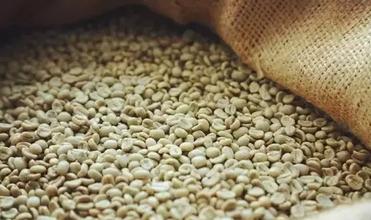
Introduction of Tarazhu Coffee Flavor treatment method in LA PASTORA Manor of Costa Rica
Costa Rica LA PASTORA Manor Tarazu Coffee Flavor processing Variety producing area introduction Costa Rica has many excellent producing areas, while the high-quality producing areas of Costa Rica have a common understanding of quality, that is, it requires the use of mature coffee fruits to ensure the production of high-quality coffee. Costa Rica has a deep coffee culture and superb coffee skills.

Characteristics of Costa Rican coffee flavor and taste manor producing world-class high-quality coffee
Generally speaking, a large amount of water is used in the post-processing of the picked coffee fruit, but the advanced production equipment in Costa Rica saves the use of water resources to the greatest extent, and a circulating filter is used to treat the waste water from washing coffee beans. let the waste water be purified into clean water to prevent pollution of the local soil environment. After the coffee fruit has been peeled, the peel fruit is recovered.

Introduction of Fenghuang Manor in Costa Rican Fine Coffee producing area
Coffee is an important export product of Costa Rica, which earns a lot of foreign exchange for the country every year and is vividly called the golden seed. My unique natural conditions are very suitable for growing high-quality coffee varieties. Although the yield is small, Costa Rican coffee always occupies an important position in the international boutique coffee market. Elsa Manor owner Ricardo, the manor owns an area of 16 square meters.

Pure flavor Costa Rica Goddess Manor Coffee Flavor Description Grind Taste Characteristics Variety
Costa Rica, which produces one-third of the world's coffee in all grades and varieties, has a place in the global coffee market. Although Costa Rica faces many times more natural disasters than other regions, its arable area is enough to compensate. There are many kinds of coffee here, but its industrial policy is large and cheap, so it is especially superior coffee and

Introduction to the Goddess Manor in Costa Rica Coffee Manor
Costa Rica accounts for only 0.03% of the world's land area, but with nearly 4% of the world's species, Costa Rica is one of the countries with the richest biological species in the world. 26% of the land area is a national park or nature reserve, including 11 wetlands, 2 biological reserves and 3 World Natural Heritage sites. The national forest coverage rate is 52%. Natural resources include iron, manganese, mercury, bauxite,